


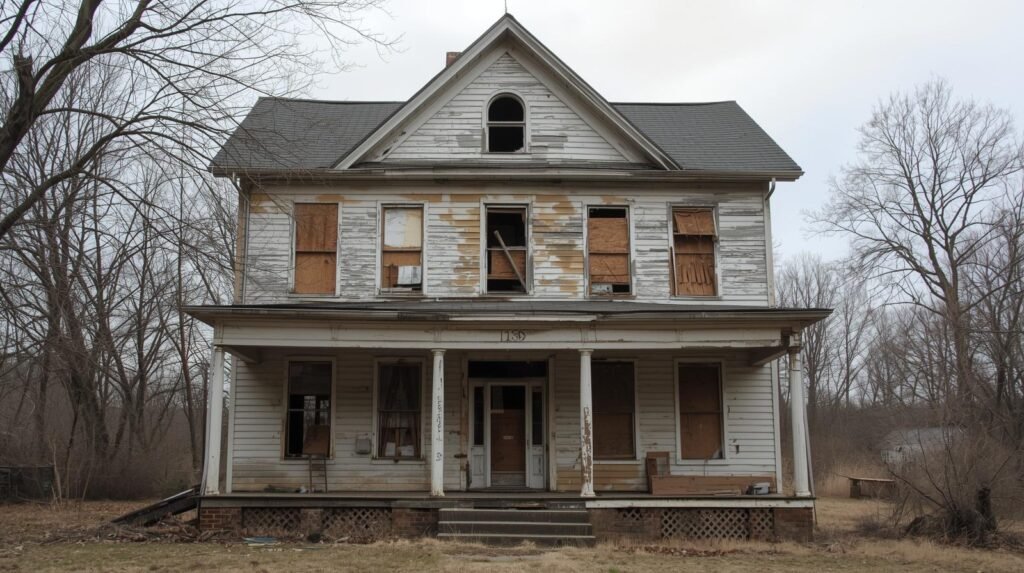
Buying real estate at a lower price is a goal for many people, and foreclosures can offer that opportunity. If you understand the process clearly, you can find great deals and build long-term wealth. In this guide, you will learn how to buy foreclosed property step by step with detailed explanations so you can make confident decisions.
What Is a Foreclosed Property?
A foreclosed property is a home that a lender takes back after the owner fails to make mortgage payments. When the borrower defaults, the bank or lender starts a legal process to recover their money. After that, the property is sold to a new buyer.
These properties are often sold at lower prices, which makes them attractive for both homebuyers and investors. However, the process is different from a regular home purchase and requires more attention to detail.
Types of Foreclosed Properties
Understanding the different types helps you learn how to buy foreclosed property in the right way.
Pre-Foreclosure
This is the early stage of foreclosure where the owner has missed loan payments but still has ownership of the property. During this time, buyers can contact the owner directly and try to negotiate a deal. In many cases, the owner is willing to sell at a lower price to avoid losing the property to the bank. This can help buyers find good deals. However, the process may take time because the owner may delay decisions or try to fix their financial situation. Buyers also need to check for any pending loans or dues before finalizing.
Auction Properties
Auction properties are sold through public bidding, usually by banks or government authorities. The process is fast, and buyers must be ready with funds before participating. When comparing auction vs foreclosure buying, auctions are quicker but involve higher risk. In most cases, buyers do not get enough time to inspect the property, which means there could be hidden damages. Also, a large payment or full amount is often required within a short period. While prices can be lower, careful planning is necessary to avoid losses.
Bank-Owned Properties (REO)
Bank-owned properties, also called REO properties, are those that banks take back after they fail to sell in auctions. These are easier and safer to buy compared to other foreclosure types. They are usually listed through real estate agents, making the process simple and familiar. Buyers can inspect the property before purchasing, which helps in understanding its condition. Financing options are also available, so you can apply for a loan. Banks often clear major legal issues before selling, which reduces risk and makes the purchase more secure.
How to Buy Foreclosed Property Step by Step
To succeed in foreclosure investing, you must clearly understand each step of the buying process. Following a structured approach helps reduce risks and ensures you make informed decisions.
Step 1: Check Your Financial Readiness
Start by carefully analyzing your financial situation. Calculate your total budget, including not just the purchase price but also repair costs, property taxes, legal fees, and other hidden expenses. Foreclosed properties often require renovation, so it is wise to keep extra funds as a safety buffer. This step helps you avoid financial stress later.
Step 2: Get Pre-Approved for a Loan
Getting pre-approved for a loan is an important step. It helps you understand how much you can afford and gives you a clear price range to work within. It also shows sellers or banks that you are a serious buyer. Keep in mind that some lenders have stricter rules for foreclosures, so discuss your plan openly with them before moving forward.
Step 3: Search for Properties
Look for foreclosure listings on bank websites, real estate portals, and government platforms. Take your time to explore different options. Focus on properties located in areas with good demand, infrastructure, and future growth potential. Always compare prices with similar properties in the same area to ensure you are not overpaying.
Step 4: Conduct Foreclosure Appraisal
A foreclosure appraisal is a crucial step in the process. It helps determine the true market value of the property based on its current condition, location, and market trends. This ensures that you are paying a fair price. It also plays a key role in helping lenders decide how much loan they are willing to approve.
Step 5: Inspect the Property
Property inspection is essential before making any final decision. It helps identify issues such as structural damage, plumbing leaks, electrical faults, or pest problems. Even if the property appears fine on the surface, there may be hidden defects that can increase your costs. Hiring a professional inspector can give you a clear picture of the property’s condition.
Step 6: Make an Offer
Once you are satisfied with the property, submit your offer based on its actual value and condition. Avoid making emotional decisions or overbidding. Banks or sellers may take time to respond, so patience is important during this stage. Stick to your budget and investment plan.
Step 7: Verify Legal Documents
Before finalizing the deal, carefully check all legal documents. Ensure there are no unpaid taxes, liens, or ownership disputes attached to the property. A legal expert or property lawyer can help you verify all records and confirm that the title is clear and transferable.
Step 8: Close the Deal
The final step is closing the deal. Complete your loan formalities, sign all necessary documents, and pay the required closing costs. Once everything is done, the ownership of the property is officially transferred to you. After this, you can begin renovation, renting, or reselling based on your investment plan.
Pros and Cons of Buying Foreclosed House
Before buying, you must understand the pros and cons of buying foreclosed house in detail.
Pros
- Lower Purchase Price
Foreclosed homes are usually sold below market value. This allows buyers to enter the real estate market at a lower cost. It is especially helpful for first-time buyers and investors. - Good Investment Opportunity
These properties offer strong profit potential. You can renovate and resell the house at a higher price or rent it out for steady monthly income. - Higher Return on Investment (ROI)
Since the purchase price is low, the chances of earning higher returns are better if the property is improved and sold in a good market. - Flexible Pricing from Banks
Banks often want to sell these properties quickly. If the property has been unsold for a long time, they may be open to negotiation, which can help you get a better deal. - Opportunity for Customization
Since many properties need renovation, you can design and modify the home according to your needs or market demand. - Long-Term Value Growth
If the property is in a good location, its value may increase over time. This makes it a good long-term investment option.
Cons
- Poor Property Condition
Many foreclosed homes are not properly maintained. They may have structural issues, plumbing problems, or electrical faults that require costly repairs. - High Repair and Renovation Costs
The total cost can increase significantly after purchase due to unexpected repairs. Sometimes, the renovation cost may exceed your initial budget. - Limited Inspection Access
In some cases, especially auctions, buyers may not be allowed to fully inspect the property. This increases the risk of hidden damages. - Legal Complications
Some properties may have unpaid taxes, loans, or legal disputes. If not verified properly, the buyer may become responsible for clearing these issues. - Complex Buying Process
The process of buying a foreclosed home can be slow and complicated. It may involve dealing with banks, legal paperwork, and additional approvals. - High Competition
Many investors look for foreclosure deals. This can increase competition and make it harder to find good properties at the right price. - Financing Challenges
Some lenders have strict rules for financing foreclosed properties. Getting a loan may take more time or require additional documentation.
Why Are Foreclosed Homes So Cheap?
Many buyers ask why are foreclosed homes so cheap. The main reason is that lenders want to recover their money quickly instead of holding the property.
Banks do not want to spend time or money maintaining the property. They also want to avoid ongoing costs like taxes, repairs, and security. Because of this, they price the home lower to attract buyers quickly.
Another reason is the condition of the property. Many foreclosed homes are not maintained properly. Owners in financial trouble often stop repairs, which reduces the home’s value. Buyers must consider this when planning their purchase.
Are Foreclosure Homes Good to Buy?

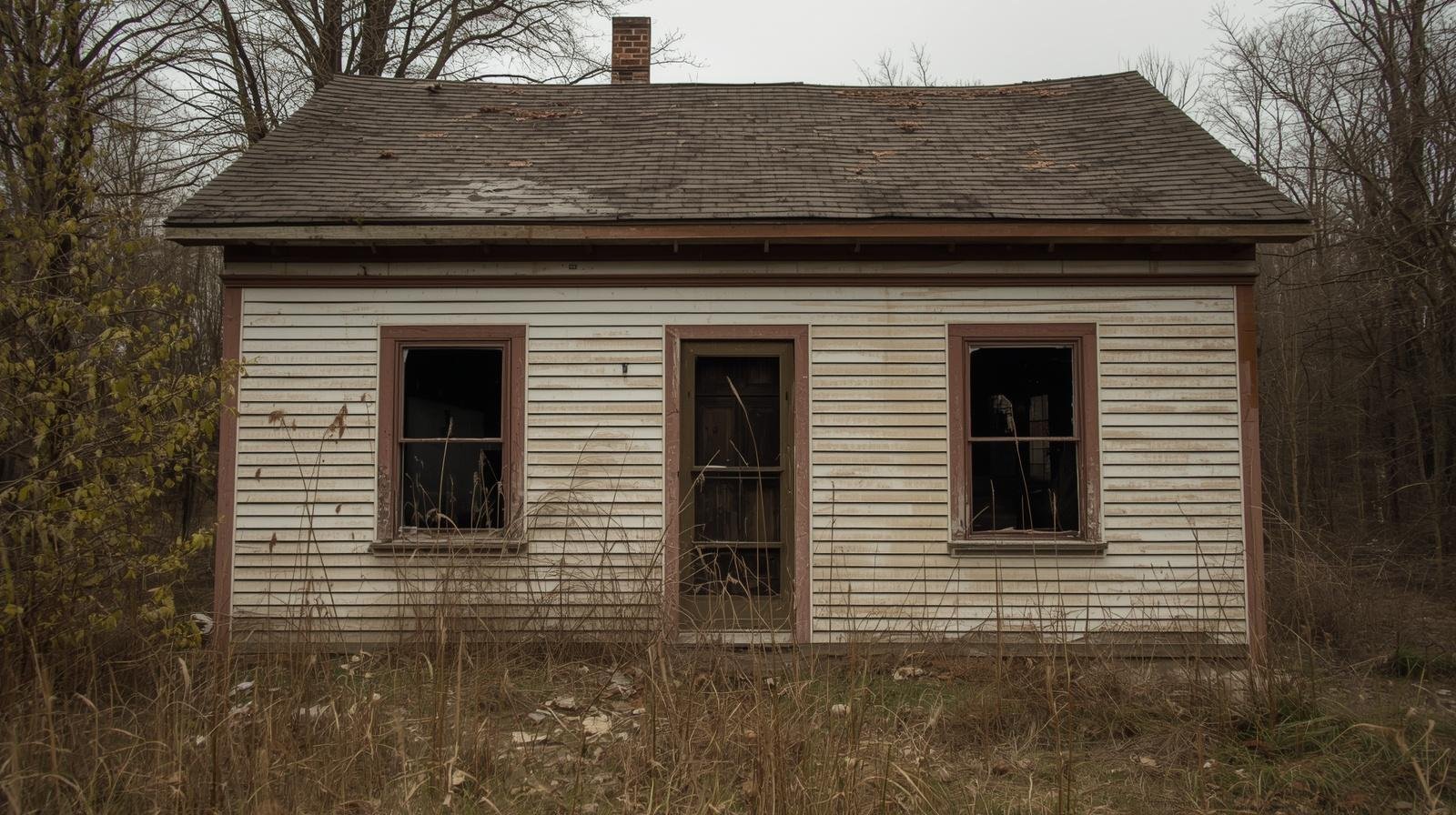
investing in foreclosures
A common concern is whether are foreclosure homes good to buy. The answer depends on your situation and goals.
Foreclosed homes can be a great option if you want to save money or invest in real estate. If you are willing to handle repairs and do proper research, you can gain strong value from your purchase.
However, these homes are not always ideal for people looking for a perfect, ready-to-move-in property. There may be hidden issues, legal complications, or delays in the process. That is why planning and professional guidance are important.
Auction vs Foreclosure: Which Is Better?
Understanding auction vs foreclosure is important for choosing the right buying method. Auctions are quick and competitive. They often require cash payments and offer limited information about the property. Foreclosure listings, especially bank-owned properties, provide more time for inspection and financing. This makes them safer for beginners. While auctions may offer lower prices, foreclosure listings provide more security and flexibility.
Costs You Must Consider
Many buyers underestimate the total cost of buying foreclosures, which can lead to unexpected expenses later. Repair costs are often the biggest factor, as most properties need some level of work, from small fixes to major renovations. Legal and closing costs are also important to consider, including lawyer fees, registration charges, and loan processing costs.
In some cases, the property may have unpaid taxes or liens, and these dues must be cleared by the buyer before ownership is complete. Maintenance costs should not be ignored either, especially if the home has been vacant for a long time, as it may require cleaning, security, and regular upkeep. Understanding all these costs in advance can help you plan better and avoid financial surprises.
Investing in Foreclosures for Long-Term Gains
Investing in foreclosures is a smart way to build wealth over time. These properties are often sold at lower prices, which gives investors a good starting point. One option is the fix-and-flip strategy. In this method, you buy a property, repair it, and sell it for a profit. This requires planning and careful spending.
Another option is to rent the property. Renting can give you steady monthly income. It is important to choose areas where many people want to live. You can also keep the property for many years. Over time, its value may increase as the market grows. This helps you earn more in the future. However, you should always do proper research before buying. Good planning can reduce risks. With the right approach, foreclosure investing can be a profitable and stable way to grow your money.
Common Risks to Avoid
Even after learning how to buy a foreclosed property, it is important to understand the risks involved. Hidden damages are a common issue, and they can increase your costs after the purchase. Some problems may not be visible at first, which makes repairs more expensive later. Legal issues can also create delays in getting full ownership of the property.
In some cases, paperwork or title problems may take time to resolve. Market changes are another risk to consider, as property values can go up or down depending on the conditions. This can affect your overall profit. There is also strong competition from other investors, which can make it harder to find good deals at the right price. Being aware of these risks helps you plan better, make smarter decisions, and avoid costly mistakes.
Expert Tips for Success
To improve your chances of success, it is important to follow a few simple tips. Always do detailed research before buying any property, as this helps you understand the market and avoid bad deals. Working with experienced professionals like agents, lawyers, and property inspectors can also make the process easier and safer. Set a clear budget before you start and make sure you do not go beyond it. This helps you stay in control of your finances. Focus on buying properties in good locations, as they usually give better returns over time. Location plays a big role in both rental income and future value. Most importantly, be patient during the process. Finding the right deal may take time, but waiting for a good opportunity is always worth it.
Final Thoughts
Learning how to buy foreclosed property is a valuable skill for both homebuyers and investors, especially when working with experts in Luxury Property Management Tampa. While the process may seem complex, proper knowledge makes it easier. Foreclosed homes are often more affordable, but they also come with added responsibilities. By understanding the process, risks, and opportunities, you can make informed decisions. With the right strategy and guidance from Luxury Property Management Tampa, buying foreclosed property can lead to strong financial growth and long-term success.