


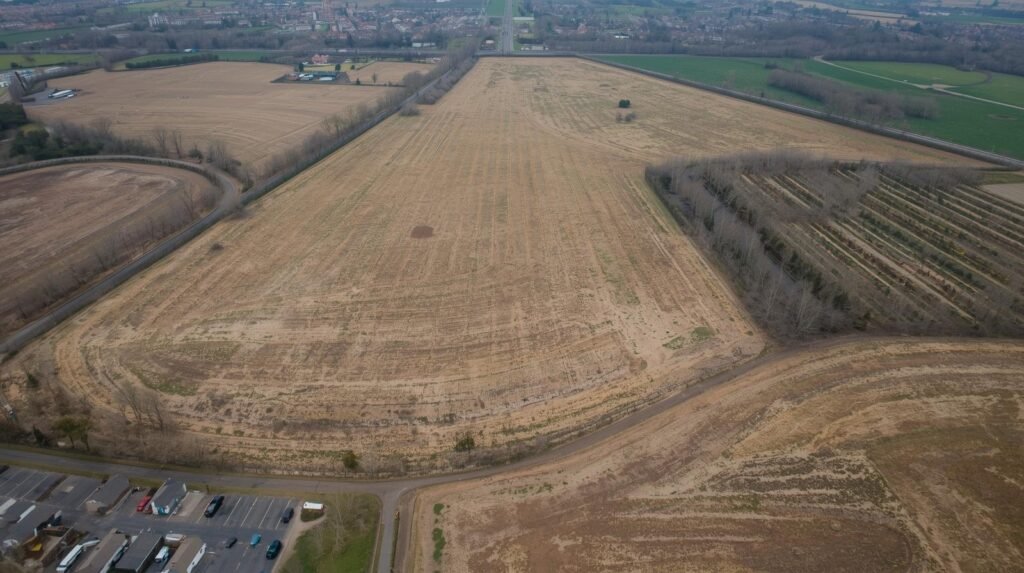
Buying land bank property can be a smart and affordable way to enter the real estate market. Many investors and first-time buyers search for how to buy land bank property because it offers low-cost opportunities with high potential returns. However, the process is different from traditional property buying, so you need a clear understanding before starting.
This guide explains everything in simple terms so you can make the right decision.
What Is a Land Bank Property?
A land bank property is a type of real estate that is owned by a government agency or local authority. These properties are usually abandoned, vacant, or taken over due to unpaid property taxes. Local governments manage these properties to prevent neighborhood decline and to make better use of unused land or homes. They often sell them to individuals, builders, or investors who are willing to repair, rebuild, or properly use the property. Land banks play an important role in improving communities by removing neglected buildings, increasing property value, supporting new development, and helping generate more local tax revenue.
Why Land Bank Property Is Becoming So Popular
Many people search for how to buy land bank property because it offers affordable real estate opportunities and long-term value potential. These properties are usually owned by local governments or organizations and are sold at lower prices compared to regular market homes. The main reason is that many of them are vacant, damaged, or need renovation, which makes them cheaper and attractive for first-time buyers or investors with a limited budget. After purchasing, buyers can renovate and either sell the property at a higher price or rent it out for monthly income, making it a strong investment option over time. In some cases, these properties also include empty land, giving buyers the freedom to build homes, rental units, or small business spaces based on their needs. At the same time, buying and improving these properties helps strengthen communities by reducing abandoned buildings and increasing neighborhood value.
Important Things to Know Before Buying
Before you decide to buy a land bank property, it is important to understand how the process works. These properties are different from regular real estate. Knowing the risks and requirements will help you make a smarter and safer decision.
Property Condition
Most land bank properties are not in good condition. Many have been empty for a long time. Some may have structural damage, roof issues, or plumbing problems. In many cases, a full renovation is needed. You should always inspect the property carefully or get expert advice before buying.
Cash Payment Requirement
Many land banks do not accept traditional home loans. Buyers are often required to pay the full amount in cash. This means you need to be financially prepared before applying. It is important to check payment rules for each land bank, as they can vary.
Strict Rules
Land banks usually have clear rules to make sure the property is improved, not neglected again. You may be required to complete repairs within a certain time. Some programs do not allow you to resell the property quickly. In certain cases, you may need to live in the property for a specific period. These rules are designed to support long-term community development.
Extra Costs
The purchase price is only part of the total cost. You should plan for additional expenses. This includes repair and renovation costs, cleaning and debris removal, legal fees, and property taxes. Sometimes utility setup and permit costs are also required. Planning your budget in advance can help you avoid unexpected financial stress.
Understanding these factors will help you make a more informed and confident decision before buying a land bank property.
8-Step Guide on How to Buy Land Bank Property
If you want to clearly understand how to buy land bank property, it is important to follow each step carefully. The process is different from regular real estate, so taking your time and doing proper research will help you avoid mistakes.
Step 1: Find Local Land Banks
Start by searching for land banks in your city or region. Most land banks have official websites where they publish property listings and updates. Take time to explore these websites. Check available properties, read their rules and policies, and understand how the application process works. Each land bank may follow slightly different procedures, so always review their guidelines carefully.
Step 2: Review Available Properties
Once you find a land bank, go through the list of available properties. Look for options that match your goals and budget. Pay attention to the price, location, property size, and photos. Some listings also include basic condition details. Make a shortlist of the properties that seem suitable so you can focus on the best options.
Step 3: Inspect the Property
Never buy a property without checking it first. Visit the site if possible and carefully inspect the condition. Look for structural damage, roof problems, water leaks, plumbing issues, and electrical conditions. Some problems may not be visible at first glance, so hiring a professional inspector can be a smart decision. This step helps you understand the real cost of repairs.
Step 4: Understand Rules and Conditions
Every land bank has its own rules. These rules are usually strict because the goal is to improve the property and the community. You may be required to complete renovations within a fixed time. You may also need to maintain the property properly and follow usage guidelines. Some land banks restrict quick resale. Read all terms carefully before moving forward.
Step 5: Plan Your Budget
Before applying, make sure you have a clear budget plan. The purchase price is only one part of the total cost. You also need money for repairs, property taxes, legal charges, and possible permit fees. Setting a realistic budget will help you manage your finances and avoid unexpected problems later.
Step 6: Submit Your Application
To buy a land bank property, you must submit an application. This is usually done through the land bank’s website or office. The application may ask for your personal details, financial information, and your plan for the property. Be honest and clear while filling it out. A strong and realistic plan can improve your chances of approval.
Step 7: Wait for Approval
After submitting your application, the land bank will review it. They may check your financial stability, your renovation or development plan, and your commitment to improving the property. This process can take some time, so patience is important. Some land banks may also contact you for additional information.
Step 8: Complete the Purchase
If your application is approved, you can move forward with the purchase. This step includes signing legal documents, making the required payment, and completing the ownership transfer process. Once everything is finalized, the property officially becomes yours. After that, you can begin repairs, construction, or any planned development.
Following these steps carefully will help you make a safe, informed, and confident decision when buying a land bank property.
Types of Land Bank Properties
Land bank properties come in different types. Each type serves a different purpose, and buyers can choose based on their needs, budget, and future plans. Understanding these types helps you make a better investment decision.
Vacant Land
Vacant land means empty plots that do not have any buildings on them. These lands are often used for future construction or long-term investment. Buyers can build a house, rental unit, or even a small business depending on local rules. Vacant land is also popular for people who want full control over development from the beginning.
Residential Properties
Residential land bank properties include houses or buildings that were once lived in but are now vacant or damaged. Most of these homes need repair or full renovation before they can be used again. Buyers often choose these properties to fix and live in, or to renovate and rent or sell for profit. They can be a good option for both homeowners and investors.
Commercial Properties
Commercial properties are buildings designed for business use. These may include shops, offices, or mixed-use buildings. Some of these properties may need repairs or upgrades before they can be used. Once improved, they can generate income through rent or business activities. They are ideal for entrepreneurs and investors looking for business opportunities.
Industrial Land
Industrial land is used for larger-scale business activities such as factories, warehouses, or storage facilities. These properties are usually located in areas designed for industrial development. Buyers use them for manufacturing, logistics, or storage purposes. Industrial land bank properties can support long-term business growth and expansion.
Each type of land bank property offers different opportunities, so it is important to choose the one that matches your goal and investment plan.
How to Evaluate a Land Bank Property


how to buy land bank property
Evaluating a land bank property is an important step before making any purchase. A careful evaluation helps you avoid risks and choose a property with real value and potential.
Check the Location
Location is one of the most important factors in real estate. A good location can increase the value of the property over time. You should check what facilities are nearby before making a decision. Look for schools, local markets, hospitals, and public transport options. A property in a well-connected and developing area is usually a better long-term investment.
Estimate Repair Costs
Most land bank properties need some level of repair or renovation. Before buying, you should carefully estimate how much money you will need for fixing the property. This includes structural repairs, painting, plumbing, electrical work, and cleaning. Getting a contractor’s opinion can help you understand the real cost. This step is important to avoid unexpected expenses after purchase.
Compare Market Prices
Always compare the property price with similar properties in the same area. This helps you understand whether the deal is fair or overpriced. Check recent sales or listings nearby to get a clear idea of market value. A good comparison ensures that you are making a smart financial decision and not overpaying for the property.
Verify Legal Status
Before buying any land bank property, you must confirm its legal status. Make sure the property has clear ownership and no legal disputes. Check if there are any unpaid taxes, liens, or restrictions attached to it. A clean legal record protects you from future problems. If needed, you can also consult a legal expert to verify all documents properly.
A proper evaluation process helps you invest safely and choose a property that offers real long-term value.
Common Mistakes to Avoid
When buying a land bank property, many buyers make simple mistakes that can lead to financial loss or delays. Being aware of these mistakes can help you make a safer and smarter decision.
Skipping Inspection
One of the biggest mistakes is buying a property without inspecting it. Never rely only on photos or online listings. You should always visit the property in person if possible. Check the condition carefully or hire an expert to evaluate it. Skipping this step can lead to unexpected repair problems later.
Ignoring Rules
Every land bank has specific rules and conditions that buyers must follow. Ignoring these rules can create serious issues, including penalties or loss of ownership rights. Some properties may require renovation within a fixed time or restrict resale for a certain period. Always read and understand all terms before making a purchase.
Underestimating Costs
Many buyers focus only on the purchase price and forget about extra expenses. Repair work, cleaning, taxes, and legal fees can increase the total cost significantly. Underestimating these costs can create financial pressure later. It is always better to plan a higher budget than expected to stay safe.
No Clear Plan
Buying a property without a clear purpose is another common mistake. You should know exactly why you are buying it—whether for living, renting, or investment. A clear plan helps you choose the right property and manage it properly. Without planning, it becomes difficult to get good returns or use the property effectively.
Avoiding these mistakes will help you make a more confident and successful land bank property purchase.
Legal Considerations
Before buying a land bank property, it is very important to understand the legal requirements to avoid future problems. After purchase, you must pay property taxes regularly, and the amount may vary depending on the location and property value, so it should be included in your budget. You also need to check zoning rules, which explain how the land can be used, such as for residential, commercial, or industrial purposes, because using land against zoning laws can create legal issues. In addition, you may need permits before starting any construction or renovation work, as local authorities require approval to ensure safety and compliance with regulations.
Financing Options
When buying a land bank property, cash payment is often preferred, but there are still several financing options you can consider based on your situation. The most common option is using personal savings, which allows you to avoid interest and debt and gives you full control of the purchase. Some buyers also use private lending, where they borrow money from trusted individuals or private sources, but it is important to have clear agreements to avoid misunderstandings later. Another option is hard money loans, which are short-term loans mainly used by real estate investors; these loans are easier to get but usually come with higher interest rates, so they should be used carefully with a clear repayment plan.
Benefits and Risks
Buying a land bank property comes with both advantages and challenges, so it is important to understand both sides before making a decision.
Benefits
Land bank properties usually have a low entry cost, which makes them affordable for new buyers and small investors. They also offer high return potential because renovating or developing the property can significantly increase its market value over time. In addition, these projects contribute to community improvement by turning abandoned or unused properties into useful homes, businesses, or developed land that benefits the neighborhood.
Risks
At the same time, there are some risks involved. Many properties are in poor condition and may require major repairs before they can be used. This can lead to high repair costs that increase your total investment. There are also strict regulations and rules set by land banks, such as renovation deadlines or usage restrictions, which must be followed carefully to avoid penalties or legal issues.
Who Should Buy Land Bank Property?
Land bank properties are best suited for investors who are looking for long-term profit opportunities, builders who want development projects, first-time buyers who are willing to learn and start small, and long-term planners who are focused on future growth. These properties are ideal for people who are patient, financially prepared, and ready to handle renovation or development work.
Final Thoughts
Learning how to buy land bank property can open the door to affordable real estate investment. It offers a chance to buy low-cost properties and turn them into valuable assets. However, success depends on proper research, planning, and execution. Always inspect the property, understand the rules, and manage your budget wisely. If done correctly, buying land bank property can be a smart and profitable decision for your future.