
Florida property taxes are local, and they still shape your monthly costs. Your bill depends on your home’s value, your exemptions, and the millage rate at your address. This guide explains each step with Hillsborough County examples and the new Amendment 3 changes.
What Are Florida Property Taxes?
Florida property taxes are local taxes on real estate. Counties, cities, school boards, and special districts set them. The state itself does not collect a property tax.
How Florida Calculates Your Property Tax Bill
The Basic Formula
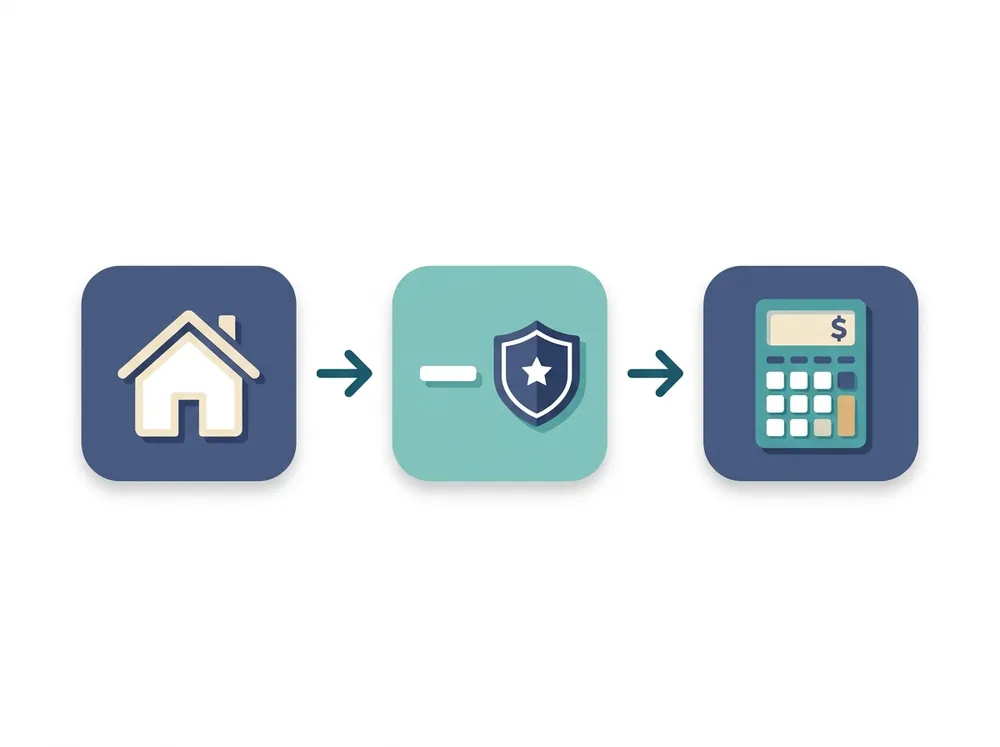
Your bill equals your taxable value times the millage rate. Taxable value is your assessed value minus any exemptions. In Hillsborough County, the Property Appraiser sets values and the Tax Collector sends bills.
What One Mill Means
One mill equals $1 for every $1,000 of taxable value. A rate of 18 mills costs $18 per $1,000. Each taxing authority sets its own rate.
Just Value, Assessed Value, and Taxable Value
Just value is your home’s market value on January 1. Assessed value can sit lower when a cap applies. Taxable value is the assessed value minus your exemptions.
A Simple Example
Say your taxable value is $350,000 and your total rate is 18 mills. You multiply $350,000 by 0.018. Your illustrative bill is $6,300 per year.
Who Sets Your Millage Rate in Hillsborough County?
Several Taxing Authorities
The county, the school board, and your city each set a rate. Special districts add smaller charges. Your address decides which rates you pay.
Hillsborough’s Rate History
Hillsborough County has not raised its countywide millage rate in 30 years. The rate fell from 7.7500 in fiscal year 1999 to 5.4608 in fiscal year 2026. Your total rate still includes school, city, and district charges.
Key Property Tax Dates in Florida
January 1 Sets Your Value
The property appraiser values every home as of January 1. Your homestead status also depends on that date. Plan your purchase and filing around it.
TRIM Notices Arrive in August
The county mails a Truth in Millage notice in early August. It shows your proposed taxes and your exemptions. Read it closely and call the appraiser if something looks wrong.
Bills Arrive in November
The Tax Collector mails final bills in November. Pay by November 30 to earn the 4 percent early-payment discount. Taxes are due by March 31, and the discount shrinks each month.
Caps That Limit Your Tax Increases
The Save Our Homes Cap
Homestead owners get the Save Our Homes cap. It limits yearly assessment growth to 3 percent or inflation, whichever is lower. The cap protects long-term owners when prices rise fast.
The Non-Homestead Cap
Second homes, rentals, and commercial properties follow a 10 percent cap today. Amendment 3 lowers that cap to 5 percent starting January 1, 2027. Investors who plan a second property purchase should model both numbers.
Why Buyers Face a Reset
After a sale, the county raises the assessed value to full market value on the next January 1. The new owner must apply for homestead exemption. Your seller’s low bill does not follow you.
How Amendment 3 Changes Florida Property Taxes
What Voters Approved
Florida voters passed Amendment 3 on November 3, 2026. It earned more than 62 percent in the unofficial count and needed 60 percent. Most changes start January 1, 2027.
A Bigger Homestead Exemption
The non-school homestead exemption rises to $150,000 in 2027 and $250,000 in 2028. The $25,000 school-tax exemption stays in place. Your school taxes do not disappear.
Pressure on Local Budgets
Cities and counties will collect less tax revenue. Local leaders warned they might trim services or raise millage rates. Watch your local budget hearings each year.
A Wait for New Residents
Reports say people who are not Florida residents on December 31, 2026 get the current exemption first. The larger amount starts in their fifth year of exemption. Confirm your own timeline with the property appraiser.
Smart Ways to Lower Your Florida Property Tax Bill
File for Homestead by March 1
File for homestead exemption on your primary home by March 1. The exemption cuts your taxable value and starts your Save Our Homes cap. Read our Florida homestead exemption guide for each filing step.
Check Your TRIM Notice
Compare your TRIM value with recent sales of similar homes. Call the Property Appraiser if the value looks too high. You can also petition the Value Adjustment Board within 25 days of the notice date.
Plan Your Escrow Payment
Most lenders collect property taxes in escrow each month. A higher bill after purchase can raise your payment. Ask your lender to estimate taxes from the new assessed value.
Property Taxes and Your Buying Decision
Compare Renting and Buying
Taxes are one part of ownership costs. Read our renting vs buying in Tampa comparison before you decide. Add insurance, maintenance, and HOA fees to your budget.
Study Local Prices and Trends
Higher prices raise your assessed value over time. See our Tampa housing price trends for recent numbers. Our Tampa real estate market page tracks area changes.
Investors and Back Taxes
Investors should read is buying property in Florida a good investment first. Unpaid taxes can also create tax-deed opportunities. Learn the risks in our guide to buying property for back taxes.
Florida Property Tax FAQs
Does Florida have a state property tax?
No. Florida collects no state-level property tax. Local governments set and collect it.
When are Florida property taxes due?
Final bills go out in November. Payment is due by March 31 of the next year. Early payers get discounts that shrink each month.
Is Florida’s property tax rate high?
Florida’s effective rate is about 0.91 percent, according to the Tax Foundation. That ranks 26th among the states. Your own rate depends on your county and city.
Will my taxes jump after I buy a home?
They can. The county resets your assessed value to market value after a sale. Homestead exemption and the Save Our Homes cap limit later increases.