
Tampa flood zones matter for every buyer because the city sits on Hillsborough Bay and Old Tampa Bay. Your flood zone affects your insurance cost, your lender’s rules, and your building options. This guide shows how to read FEMA zones, find your property’s zone, and plan for costs.
What Is a FEMA Flood Zone?
FEMA flood zones show a property’s flood risk on Flood Insurance Rate Maps. Lenders and local governments use these maps to set insurance and building rules. The maps apply all year, not only during hurricanes.
FEMA Flood Zones Explained
High-Risk Zones A and AE
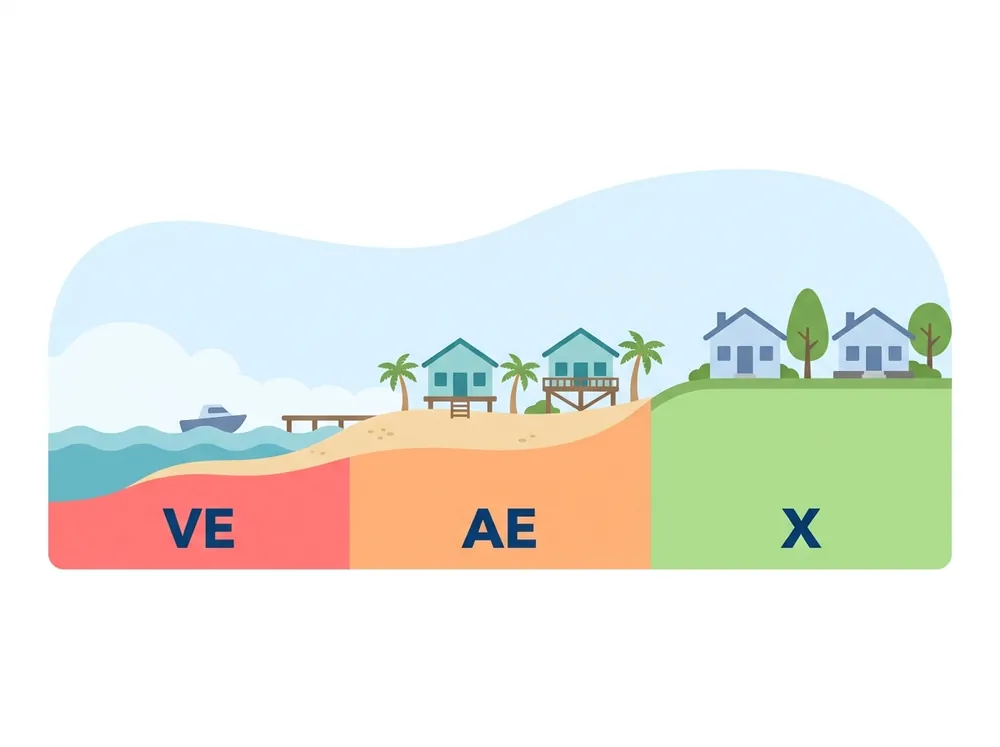
Zones A and AE are Special Flood Hazard Areas. They carry at least a 1 percent chance of flooding each year. That equals about a 26 percent chance over a 30-year mortgage.
Coastal Zones V and VE
Zones V and VE face storm waves along the coast. They have the strictest building rules. These zones appear along parts of Tampa’s bay shoreline.
Moderate and Low Risk Zone X
Shaded Zone X has a 0.2 percent annual flood chance. Unshaded Zone X has minimal mapped risk. Insurance is optional here, but FEMA still recommends it.
Flood Zones in Tampa and Hillsborough County
Where High-Risk Zones Appear
City of Tampa map panels show Zone AE and VE near Hillsborough Bay, Old Tampa Bay, Palm River, and local creeks. Areas near MacDill Air Force Base also appear in these zones. Check the exact parcel, because zones change block by block.
Inland Areas Can Flood Too
Inland neighborhoods can flood during heavy rain. Hurricanes Helene and Milton flooded homes along rivers and creeks in 2024. A Zone X label does not guarantee a dry home.
Flood Zones vs Evacuation Zones
Evacuation zones and flood zones are different systems. Evacuation zones guide hurricane evacuations. Flood zones guide insurance and building rules.
How to Find Your Flood Zone
Use Hillsborough County’s Flood Tool
Hillsborough County offers a Find My Flood Zone viewer. Enter the address to see the effective FEMA zone. The county flood maps page explains how to use it.
Check FloodSmart.gov
Enter your address at FloodSmart.gov to see your overall flood risk. Compare it with the FEMA zone. Use both views before you make an offer.
Ask for an Elevation Certificate
An elevation certificate shows how high your home sits compared with flood levels. Insurers use it to price your policy. Ask the seller for one early.
Remember the Federal Rule
Federal insurance rules follow the FEMA map, not the county’s own floodplain models. Hillsborough notes that its models leave out coastal storm surge. Treat both maps as useful inputs.
Flood Insurance in Tampa
When Lenders Require It
Lenders require flood insurance in high-risk zones when the mortgage is federally backed. The requirement lasts for the life of the loan. A map change into a high-risk zone can make coverage mandatory.
Homeowners Policies Do Not Cover Flood
Standard homeowners insurance usually excludes flood damage. You need a separate flood policy. Check your own policy rather than assume.
What Drives the Price
FEMA’s Risk Rating 2.0 prices each property by its own risk factors. Elevation, distance to water, and building details matter. Get quotes before you make an offer.
Tampa’s Insurance Discount
Tampa holds a Class 5 rating in the Community Rating System. That earns a 25 percent discount in flood zones and 10 percent outside them. Ask your agent to confirm the discount on your quote.
The 30-Day Waiting Period
Most new flood policies start 30 days after purchase. Policies bought with a new mortgage often take effect at closing. Buy early and do not wait for storm season.
Lessons from Helene and Milton
Back-to-Back Storms
Hurricane Helene hit in late September 2024. Milton arrived about two weeks later. Officials called the pair a perfect storm for flooding.
Substantial Damage Rules
Hillsborough County notified owners in the floodplain about substantial damage rules after both storms. Homes damaged by half or more of their value must meet current flood standards. Ask the county about your property’s status.
New Evacuation Maps
Hillsborough updated its hurricane evacuation zones in 2026 using new storm surge data. Some areas moved into evacuation zones for the first time. Check both your flood zone and your evacuation zone.
Compare Tampa Neighborhoods by Flood Risk
South Tampa
Read our South Tampa community guide before you shop. Many parcels sit near the bay, so check each address. Compare insurance quotes before you choose a block.
Riverview and Valrico
Riverview and Valrico sit near the Alafia River and its tributaries. See our Riverview community page and Valrico community page. Check the flood zone for each street.
Waterfront Homes
Waterfront buyers often face the highest premiums. Use our 10-step waterfront buying guide and our tips on where to buy a waterfront home. Ask about elevation, seawalls, and past claims.
Safety and Market Context
Flood risk is one part of the full picture. Read the safest part of Tampa for neighborhood safety. Then review the Tampa real estate market for prices.
Flood Zone Checklist for Buyers
Before You Make an Offer
Look up the flood zone and request the elevation certificate. Get a flood insurance quote. Add the premium to your budget.
During Inspection
Ask the inspector to check drainage, grading, and past water damage. Review the seller’s disclosure. Ask about prior flood claims.
After Closing
Keep your elevation certificate and policy documents. Review your coverage every year. Update your plan when maps change.
Tampa Flood Zone FAQs
What flood zone is Tampa in?
Tampa has many zones. They include AE, VE, and X. Your property’s zone depends on its exact location.
Do I need flood insurance in Zone X?
Federal rules do not require it in Zone X. FEMA still recommends it. Many claims come from lower-risk areas too.
Can I change my flood zone?
You can ask FEMA to review your zone with a Letter of Map Amendment. You need an elevation certificate and supporting data. The county floodplain office can explain the process.